
As it was mentioned in this earlier post we spent the afternoon of our last full day in the semi-arid mountainous landscape of the Vulkathunha-Gammon Ranges National Park walking in the Kingsmill Creek Gorge. The creek is accessed from the road to the Paralina Hot Springs, which I haven’t been to. We had been to Kingsmill Creek on a previous walk with a group of bushwalkers a year or so earlier. This time I had more geological knowledge.
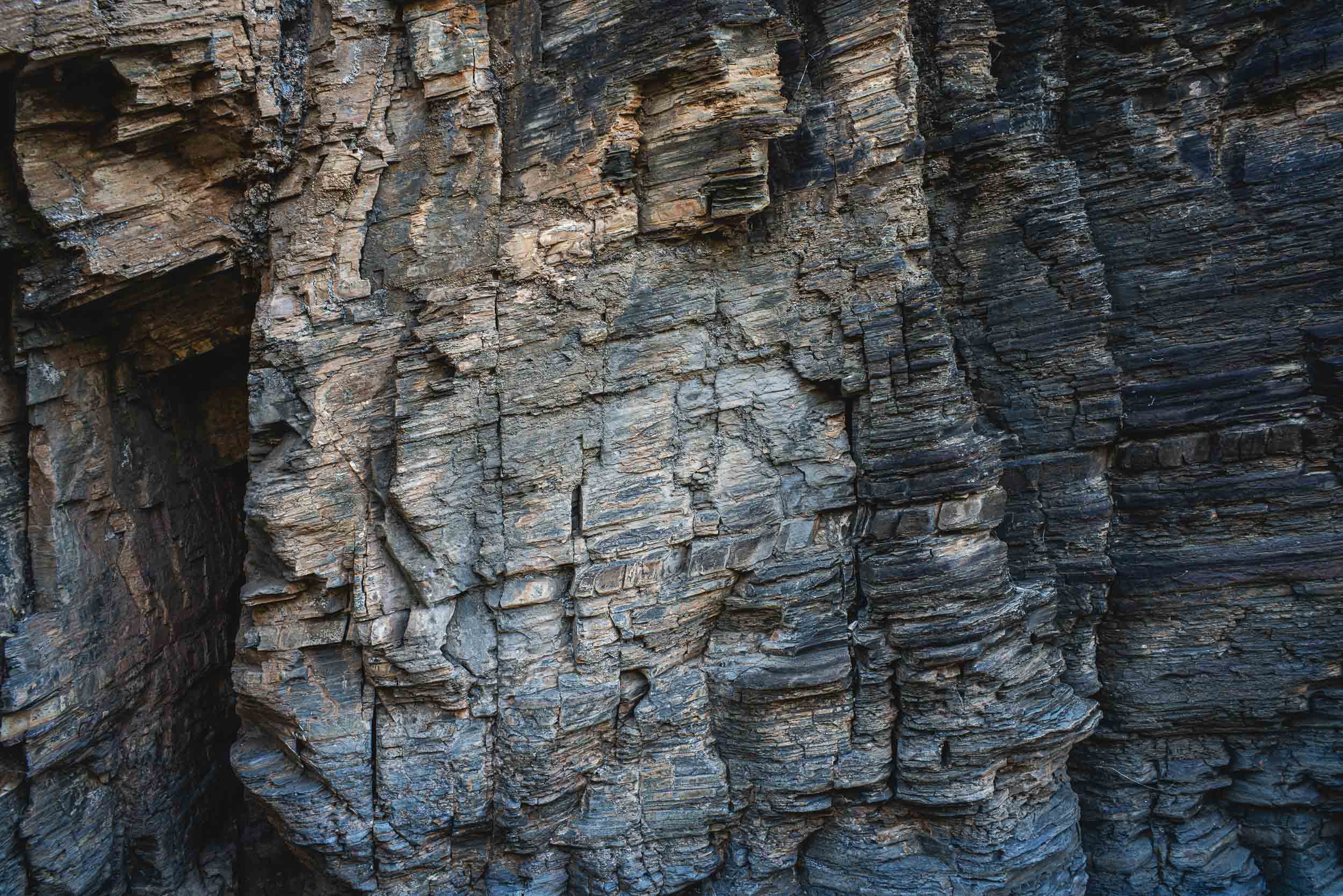
Kingsmill Creek Gorge has a well preserved Neoproterozoic (~1000-540 million years ago) barrier reef system. The Neoproterozoic era was the ‘dawn of animal life’ (habitable Earth conditions) with the primary reef builders being microbial organisms. At the time the Adelaidean Sea covered the southern half of what became South Australia, when Australia was part of the supercontinent Gondwana, but it was separated from Antarctica at the southern end by the Adelaidean Sea.
The Adelaidean Sea, of similar size to that of the Mediterranean Sea, stretched into central Australia from Kangaroo Island.
According to M. H. Monro, the author of Australia thru Time, the rocks composing the Flinders and Vulkathunha-Gammon Ranges are believed to have been deposited in shallow seas between about 850 and 500 million years ago. The Adelaidean Sea, of similar size to that of the Mediterranean Sea, stretched into central Australia from Kangaroo Island.

 The Long Road to the North
Leave a comment